
The holiday season changes how many commercial buildings are used. Offices may host gatherings, retail locations may handle heavier traffic, apartment communities may add seasonal decorations, and facilities teams may operate with reduced staffing. None of these changes automatically creates a fire hazard, but they can expose gaps in everyday safety routines. A practical walkthrough before the busiest weeks helps property managers spot issues, clarify responsibilities, and reduce avoidable interruptions.
Why a pre-holiday walkthrough matters
The weeks before Thanksgiving and the winter holidays often bring changes to building occupancy, deliveries, decorations, heating use and staffing. For California businesses, multifamily communities, schools and facilities, a short pre-holiday walkthrough can help teams identify potential fire hazards and make sure everyone knows how to respond if an emergency occurs.
The best preventive actions are usually specific, assigned, and documented. Teams should record who is responsible for a follow-up and confirm that the work is complete rather than relying on informal reminders.
Check the areas that change during the holidays
Inspect temporary decorations and extension-cord use. Keep exits, stairwells, fire doors, electrical panels and equipment rooms unobstructed. Review any seasonal lighting and make sure it is installed according to manufacturer instructions. In commercial kitchens and break rooms, verify that cooking areas are supervised and that staff know how to report a problem.
Review staffing and emergency contacts
Holiday schedules can leave properties with fewer on-site employees. Update emergency contact lists, after-hours vendor numbers and tenant or department notification procedures. Confirm who can authorize emergency stabilization work, arrange access and communicate with occupants.
Document your property’s baseline condition
Take dated photographs of common areas, mechanical spaces and vulnerable building systems before peak holiday activity. Keep vendor contacts and key building information in a location accessible to authorized personnel. Documentation may simplify communication if an incident occurs.
What to do if a fire happens
Put life safety first: evacuate, call emergency services and do not reenter until authorities say it is safe. Once the property is released for access, a qualified restoration team can assess smoke and soot impacts, help protect exposed areas, document affected contents and plan cleaning and reconstruction.
Plan now, not during an emergency
West Coast Fire & Water supports California property owners and facility managers with 24/7 fire, smoke, water and reconstruction services. Contact our team to discuss emergency response planning and property recovery needs.
Practical steps for property teams
Begin with people, exits, and access
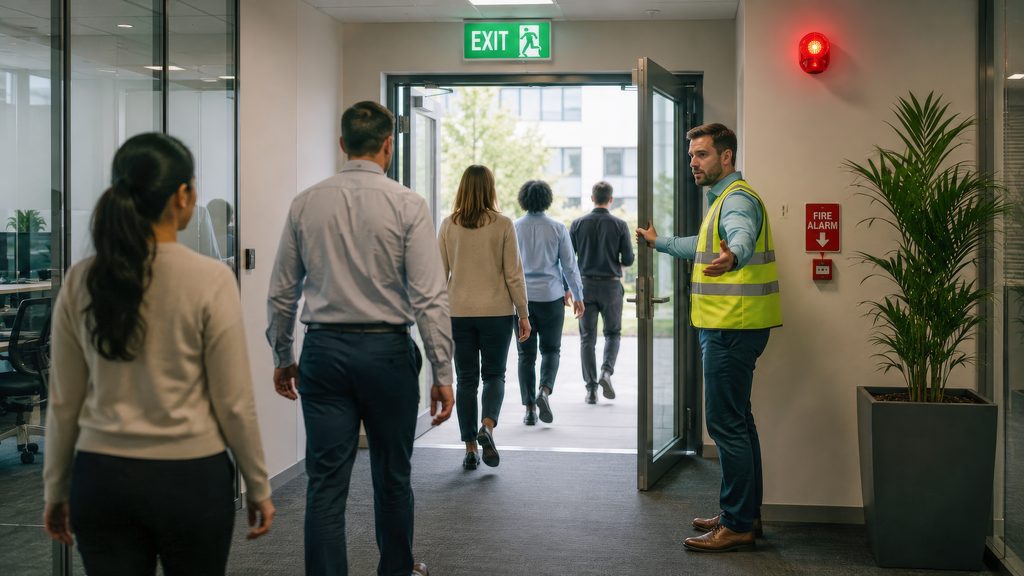
Walk the routes people would use to leave the building. Look for temporary displays, boxes, deliveries, decorations, or furniture that obstruct doors, corridors, stairways, and exit signs. Confirm that fire doors close and latch as intended and are not propped open. If an issue requires code interpretation or fire-protection system work, involve the appropriate qualified professional rather than improvising a fix.
A short walkthrough is most effective when someone records the issue, identifies an owner, and sets a completion date. A list of hazards without assigned follow-up is easy to forget during a busy holiday week.
Seasonal electrical loads and decorations
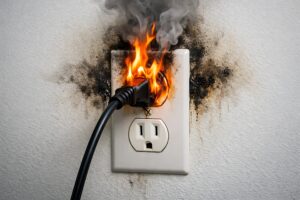
Check that temporary lights and decorations are suitable for the location and used according to their labels. Avoid overloaded outlets, damaged cords, and cords routed where they can be pinched or become trip hazards. Keep decorations away from heat sources and avoid attaching items to sprinklers, detectors, or other life-safety equipment.
A facilities team should also know when a seasonal installation will be removed. Temporary equipment that remains in place long after an event can become a recurring maintenance problem.
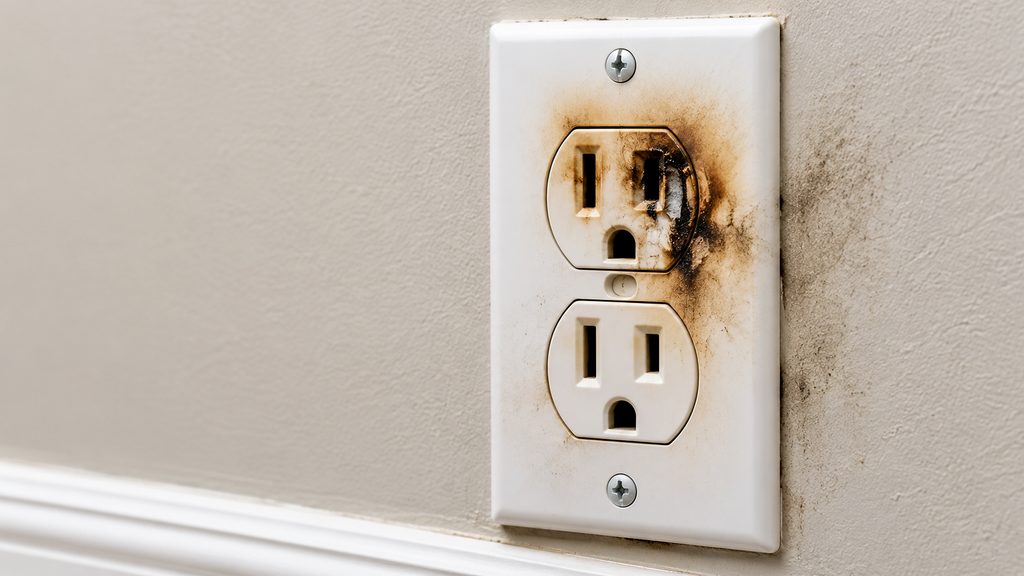
Kitchens, heating, and special events
Holiday meals and gatherings may increase use of kitchens, portable appliances, and event spaces. Review applicable building rules for cooking equipment and space heaters. Ensure responsible staff understand where to report an equipment problem and when to stop using an appliance. Do not assume a space designed for ordinary occupancy is automatically suited to every event setup.
For larger events, coordinate with the building operator and relevant safety personnel before moving furniture, changing occupancy patterns, or adding equipment.
A documented walkthrough process
Use a consistent inspection form that includes location, observation, corrective action, responsible person, and completion date. Photograph conditions when appropriate, but avoid sharing sensitive security or building information broadly. Retain records according to company policy.
If multiple sites are involved, use the same categories at every location so managers can compare outstanding issues and assign resources efficiently.
When smoke or fire affects the property
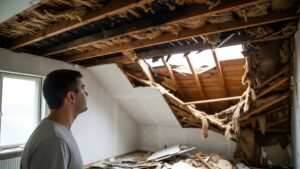
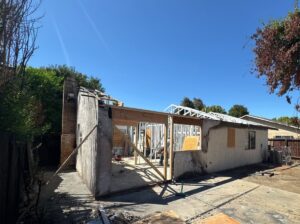
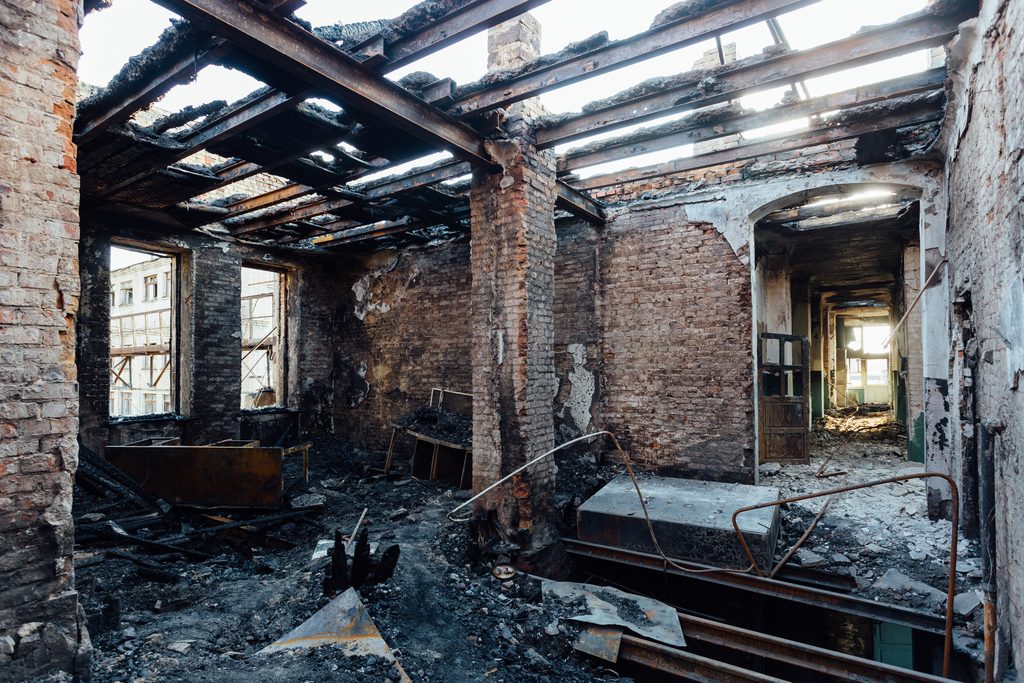
Emergency responders determine when an affected area can be entered. Once access is permitted, restoration work may involve protecting openings, evaluating soot and odor migration, assessing contents, and planning cleaning or reconstruction. Different materials respond differently to heat, smoke, and water used during firefighting.
Do not attempt to clean potentially hazardous residues without a suitable assessment, particularly in facilities with sensitive occupants or specialized equipment.
Quick checklist
- Confirm exits and fire doors are unobstructed.
- Inspect temporary decorations and visible cord conditions.
- Review kitchen and heating policies with staff.
- Update emergency contacts and after-hours authority.
- Record findings, owners, and corrective-action deadlines.
Frequently asked questions
What should a holiday fire-safety walkthrough include?
Exits and access routes, temporary electrical equipment, decorations, kitchens, heating, emergency contacts, and a documented corrective-action list.
Should property managers inspect fire alarms and sprinklers themselves?
They can report visible concerns, but testing, maintenance, and code compliance work should be handled by appropriately qualified personnel.
When should restoration professionals be contacted after a fire?
After emergency responders have addressed immediate hazards and the property is safe for an assessment. Early coordination can help establish the scope of damage and needed stabilization.
How West Coast Fire & Water can help
When a loss affects a California property, West Coast Fire & Water provides 24/7 emergency restoration and reconstruction support. Depending on the circumstances, services may include water damage restoration, fire and smoke cleanup, contents services, temporary property protection, and reconstruction coordination. The appropriate scope is determined after assessing the actual conditions at the property.
Call to action: Contact West Coast Fire & Water to discuss emergency restoration assistance or preparedness planning for your property.