Thanksgiving weekend is a common period for changes in building occupancy. Some offices are empty, maintenance teams may be on call rather than on site, and residents may travel. A water loss that might normally be reported quickly can go unnoticed until someone returns. The objective is not to predict every leak. It is to reduce preventable exposure and ensure the first response is organized.
Holiday weekends create a different risk profile
When buildings are lightly staffed and residents or employees travel, a small plumbing issue can go unnoticed longer than usual. Leaking supply lines, blocked drains, appliance failures and roof openings may affect several rooms or units before someone reports the problem.
The best preventive actions are usually specific, assigned, and documented. Teams should record who is responsible for a follow-up and confirm that the work is complete rather than relying on informal reminders.
Before the holiday: check common failure points
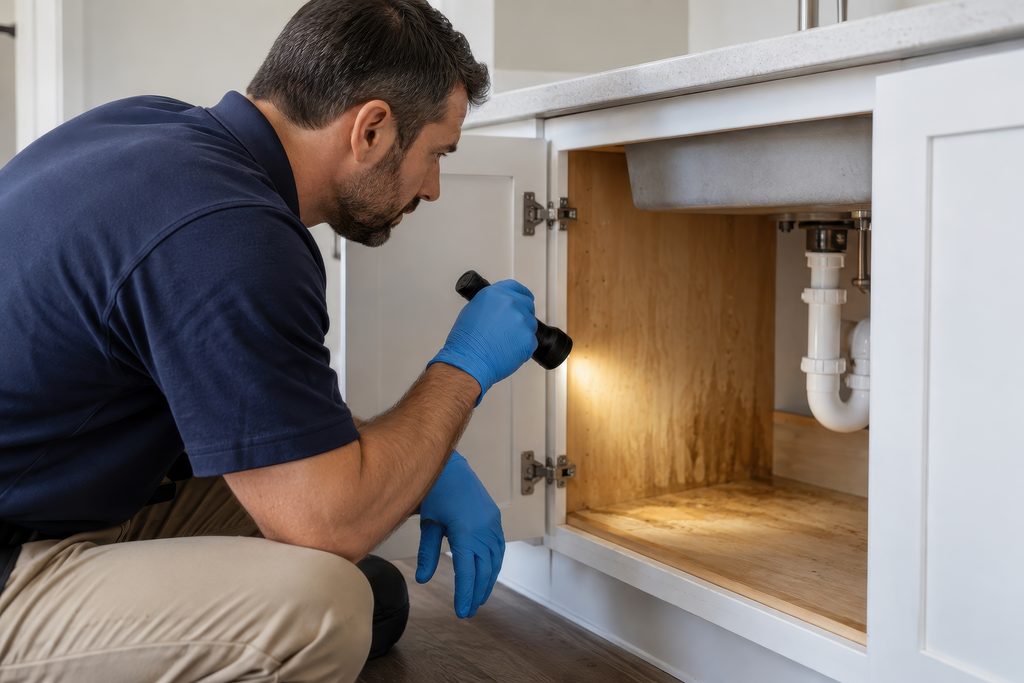
Ask maintenance staff to review visible supply connections, restroom fixtures, water heaters, roof drains and known leak-prone areas. Confirm that appropriate shutoff locations are labeled and accessible. For multifamily properties, remind residents how to report leaks promptly.
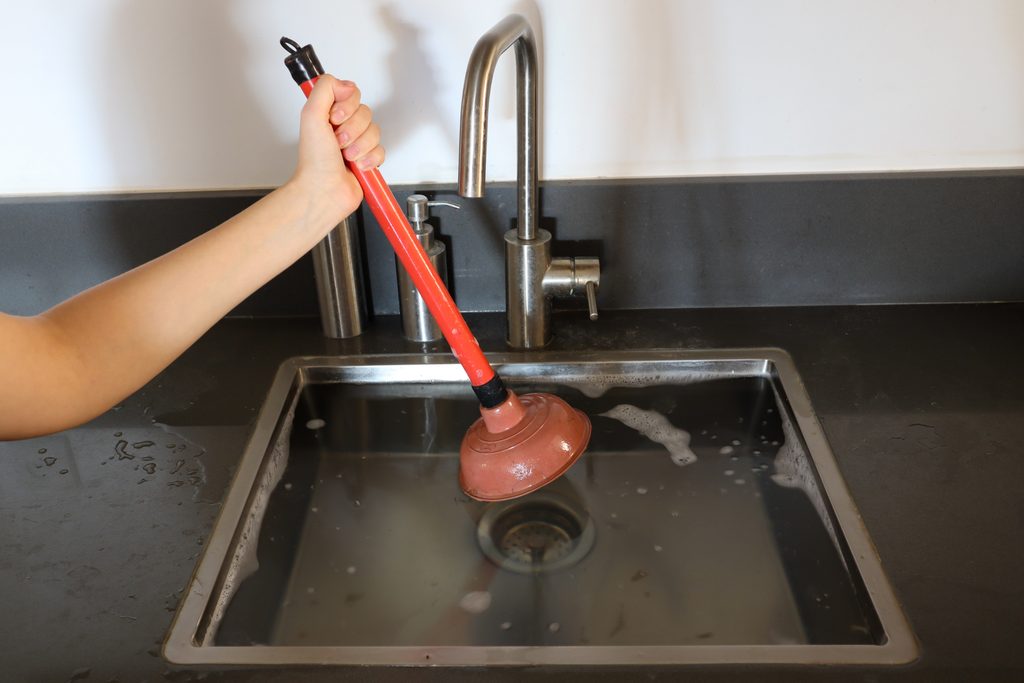
Build a practical response chain
Identify who receives after-hours calls, who can access mechanical rooms, and who can approve emergency mitigation. Keep tenant or employee communication templates ready, especially when a water loss may interrupt operations or affect neighboring units.
If water damage is discovered
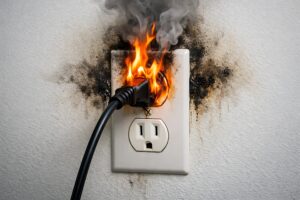
First avoid electrical hazards and unstable materials. Stop the water source only if it is safe to do so, document visible conditions and contact a qualified restoration provider. Prompt assessment, extraction and moisture evaluation can help determine the scope of drying and repairs.
Protect operations and records
Businesses should consider which files, electronics, equipment and contents need priority attention. Some items may be candidates for specialized recovery, depending on the material, contamination and severity of the loss.
Need a holiday response partner?
West Coast Fire & Water provides 24/7 water damage response, contents services and reconstruction support across California. Reach out for assistance with an active loss or to discuss an emergency contact plan.
Practical steps for property teams
Know the most common trouble spots
Visible plumbing connections beneath sinks, water heaters, toilets, supply hoses, appliance hookups, roof drains, and previously repaired leak locations deserve attention. In multiunit buildings, water can travel through walls and floors, affecting spaces far from the original source.
A record of repeat leak locations can help a maintenance team prioritize inspection time rather than relying on memory.
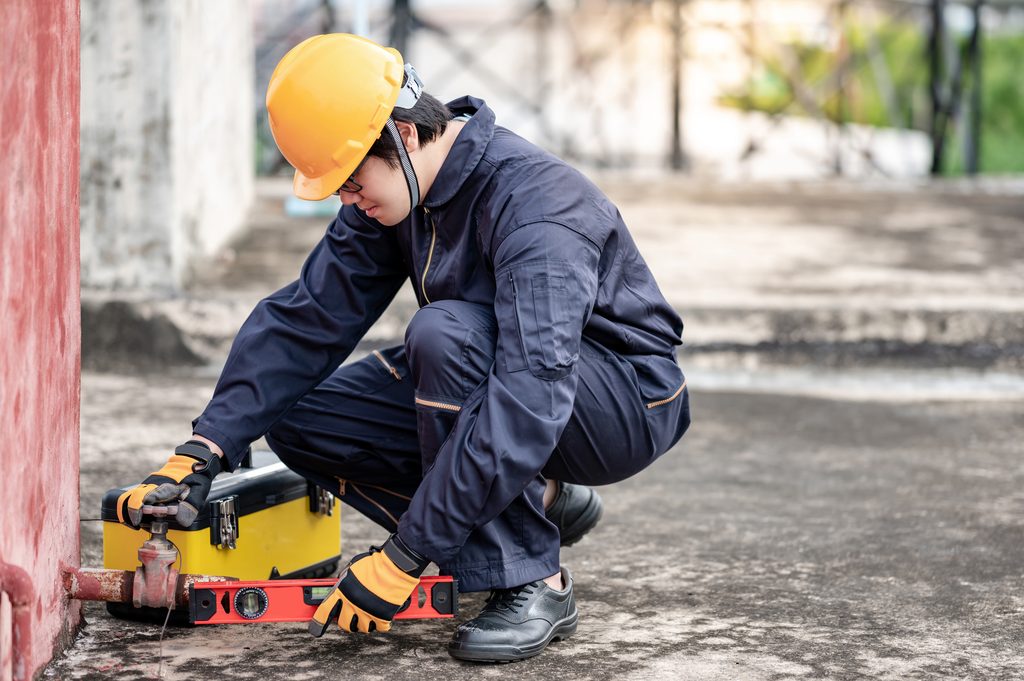
Create a before-the-weekend inspection
Schedule a walkthrough before offices close or staffing is reduced. Check for active drips, unusual staining, standing water, and signs of moisture around fixtures. Confirm that authorized staff know where relevant shutoff valves are located. Do not operate unfamiliar valves or equipment without the right training.
For multifamily properties, send residents a concise reminder about reporting leaks and avoiding unsafe do-it-yourself interventions.
Prepare for the first call
Write down who receives the call, who can access the building, who may authorize emergency mitigation, and how occupants will be notified. Keep a backup contact in case the first person is unavailable. For properties with multiple tenants, specify who communicates about shared spaces and potential interruptions.
The goal is a single clear chain of responsibility, not a long list of names with no decision maker.
What to do during an active water loss
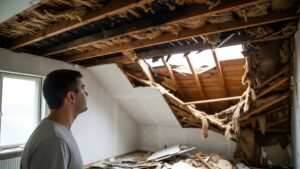
Keep people away from electrical hazards, compromised ceilings, and contaminated water. If safe and authorized, stop the source. Photograph visible damage without entering unsafe areas. A qualified restoration provider can evaluate affected materials, perform extraction, measure moisture, and develop a drying plan.
Do not assume a surface is dry because it looks dry. Water may remain behind baseboards, beneath flooring, or inside wall assemblies.
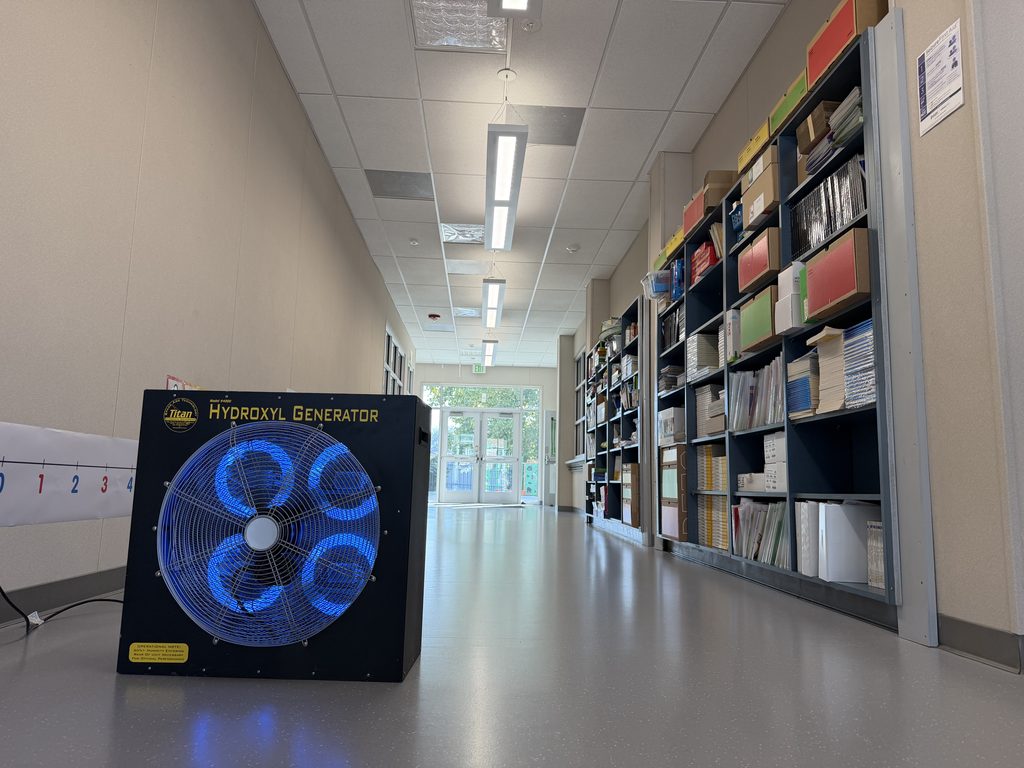
Consider contents and operational disruption
Water damage may affect inventory, records, furnishings, electronics, and neighboring tenant spaces. Identify business-critical items early, but do not energize wet electronics. Specialized contents or document recovery may be appropriate after professional assessment.
Keep a dated record of communications, access, observations, and actions. This can help owners, vendors, and insurance representatives coordinate next steps.
Quick checklist
- Inspect known leak locations before closure.
- Verify on-call contacts and backup access arrangements.
- Remind occupants how to report water concerns.
- Locate shutoffs for authorized responders.
- Prepare documentation and communication templates.
Frequently asked questions
What is the first step when water damage is discovered?
Address immediate safety risks, then stop the water source if it can be done safely and contact the appropriate property contact or restoration professional.
Can a leak in one apartment affect other units?
Yes. Water may migrate through building assemblies, so the assessment may need to include adjacent or lower units.
Does a dry-looking wall mean the water problem is resolved?
Not necessarily. Hidden moisture may remain and requires appropriate evaluation.
How West Coast Fire & Water can help
When a loss affects a California property, West Coast Fire & Water provides 24/7 emergency restoration and reconstruction support. Depending on the circumstances, services may include water damage restoration, fire and smoke cleanup, contents services, temporary property protection, and reconstruction coordination. The appropriate scope is determined after assessing the actual conditions at the property.