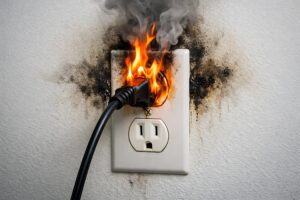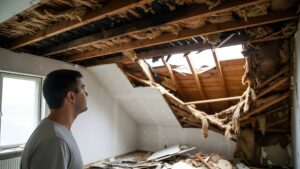
As a property manager, one of your key responsibilities is ensuring the safety and security of your properties and the well-being of your tenants. Disasters can strike at any time, whether it’s a fire, flood, or severe storm, and being prepared can significantly mitigate damage and protect lives. In this blog post, we’ll cover essential disaster preparedness tips tailored specifically for property managers, helping you create a comprehensive plan that keeps your properties safe and your tenants informed.
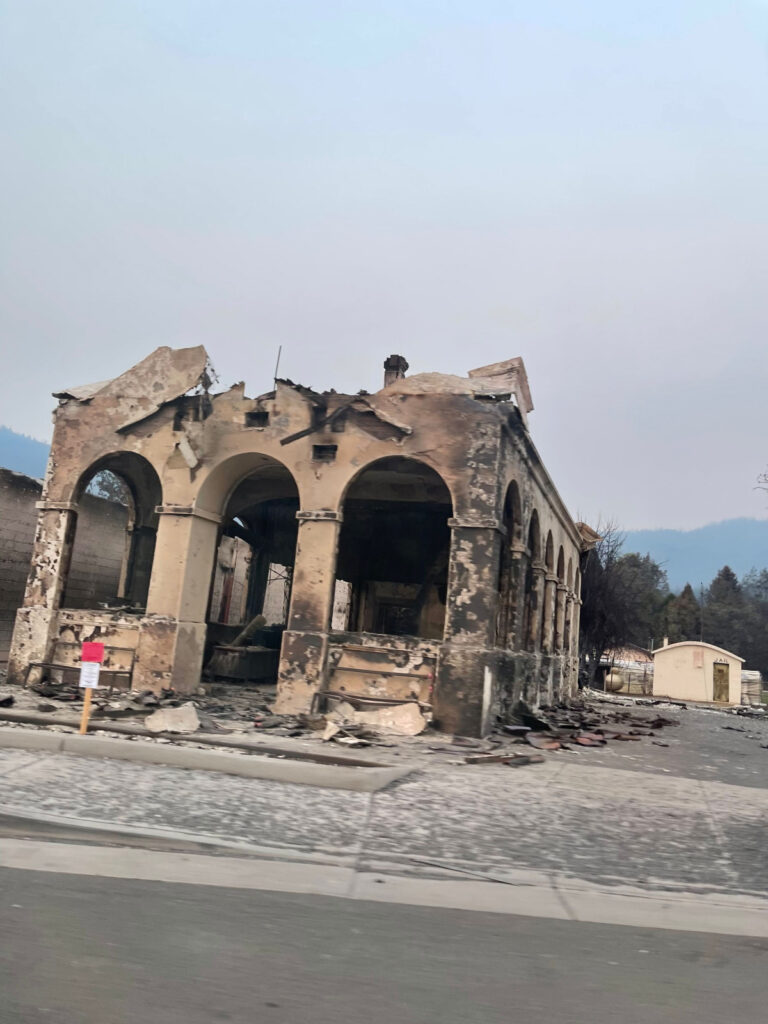
1. Conduct Regular Risk Assessments
Understanding the unique risks associated with each property is the first step in disaster preparedness. Conduct regular assessments to identify potential hazards. Consider the following factors:
- Location-Specific Risks: Is the property in a flood zone, earthquake-prone area, or susceptible to wildfires? Research local history and weather patterns to understand the risks better.
- Building Structure and Age: Older buildings may have outdated systems that are more vulnerable during disasters. Identify areas that may require upgrades or repairs.
- Tenant Demographics: Consider the needs of your tenants. Families with children, elderly residents, or individuals with disabilities may require additional considerations in your preparedness plans.
2. Develop a Comprehensive Emergency Plan
Once you’ve assessed the risks, it’s time to create a detailed emergency plan that outlines how to respond in various disaster scenarios. Your plan should include:
- Evacuation Procedures: Clearly define evacuation routes and procedures for each building. Ensure that all tenants are familiar with these routes and that they are well-marked.
- Communication Protocols: Establish a communication plan to keep tenants informed during emergencies. This includes text alerts, emails, or flyers. Ensure that contact information is up to date.
- Designate Emergency Contacts: Identify key personnel, such as maintenance staff and local emergency services, who will be responsible for executing the emergency plan and communicating with tenants.
3. Educate Tenants on Safety Procedures
An informed tenant is a safer tenant. Host regular meetings or provide informational materials to educate your residents about disaster preparedness and safety procedures:
- Emergency Contact Information: Share important contact numbers for local emergency services, property management, and utility companies.
- Safety Equipment: Teach tenants how to use fire extinguishers and where to find emergency supplies like first aid kits and flashlights.
- Instructions for Reporting Emergencies: Ensure tenants know how to report emergencies or maintenance issues promptly.
4. Invest in Preventative Maintenance
Regular maintenance can significantly reduce the risk of disasters and minimize damage if they occur. Implement a preventative maintenance schedule that includes:
- Regular Inspections: Inspect roofs, plumbing systems, electrical systems, and HVAC units regularly to identify potential issues before they escalate.
- Fire Safety Measures: Ensure that smoke detectors, fire alarms, and sprinkler systems are functioning correctly. Schedule annual fire safety inspections and conduct fire drills to prepare tenants.
- Flood Prevention: For properties in flood-prone areas, invest in sump pumps, drainage systems, and landscaping that directs water away from the building.
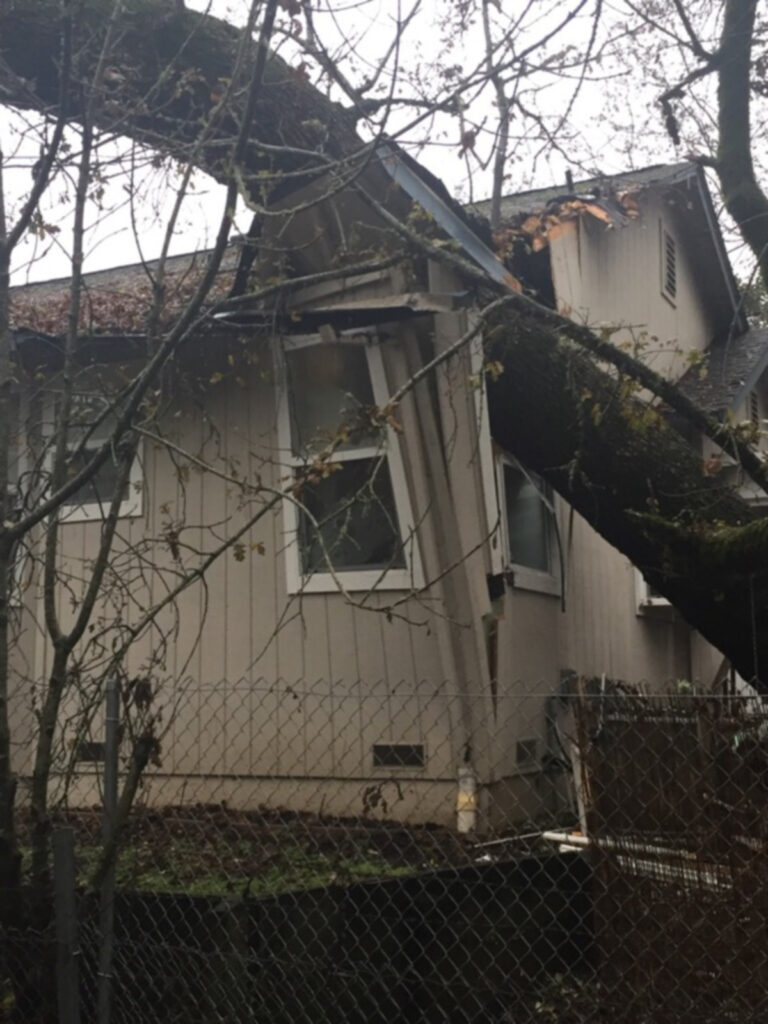
5. Establish Relationships with Local Emergency Services
Building strong relationships with local emergency services can enhance your disaster preparedness efforts. Consider the following:
- Emergency Response Partnerships: Connect with local fire departments, police, and emergency medical services to establish communication channels and understand their protocols.
- Training Workshops: Invite local emergency responders to conduct training workshops for your staff and tenants. They can provide valuable insights into emergency response and community resources.
6. Create an Emergency Supply Kit
Having an emergency supply kit on hand can make a significant difference during a disaster. As a property manager, consider assembling kits for common areas or encouraging tenants to create their own. Essential items to include are:
- First Aid Supplies: Bandages, antiseptic wipes, adhesive tape, and any necessary medications.
- Non-Perishable Food and Water: Enough supplies to sustain tenants for at least 72 hours.
- Flashlights and Batteries: Essential for power outages and ensuring visibility during emergencies.
- Blankets and Clothing: Keep warm and comfortable during evacuations or extended emergencies.
7. Review Insurance Policies
Reviewing and understanding your insurance policies is crucial for disaster preparedness. Ensure that you have adequate coverage for potential disasters, including:
- Property Insurance: Verify that your property insurance covers damages from fires, floods, and other disasters.
- Liability Insurance: Ensure you have liability coverage to protect against claims from tenants or visitors injured during a disaster.
- Business Interruption Insurance: This type of policy can help cover lost income during the restoration process after a disaster.
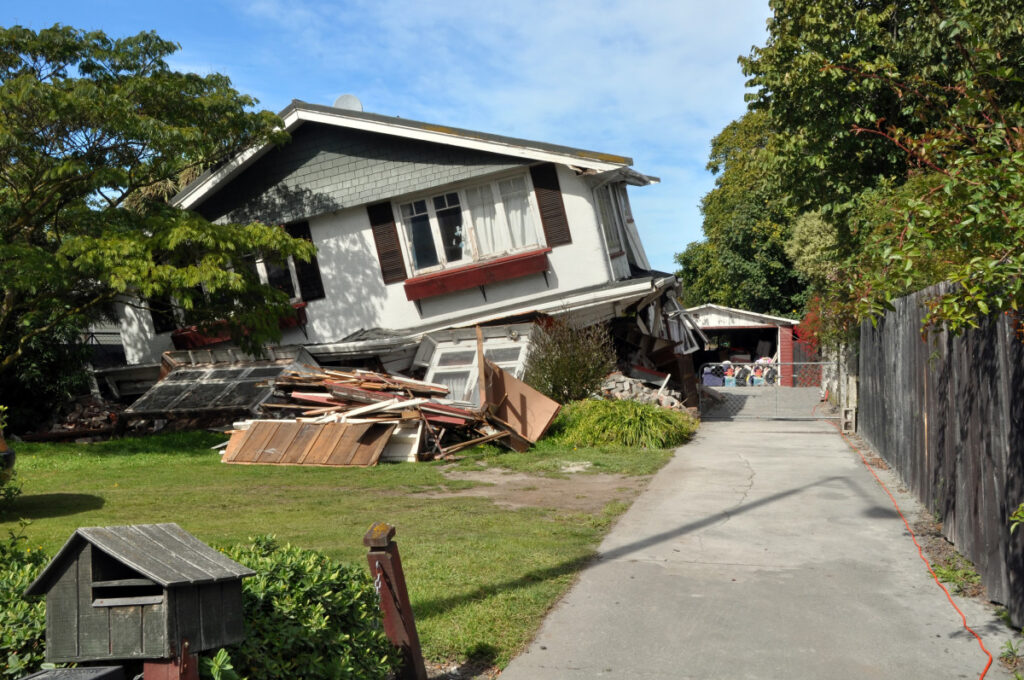
8. Plan for Recovery and Restoration
In the unfortunate event that a disaster occurs, having a recovery and restoration plan is essential. This includes:
- Contacting Restoration Services: Establish relationships with local restoration companies, like West Coast Fire and Water, that can assist in recovery efforts after a disaster.
- Documenting Damage: Keep comprehensive records of any damages for insurance claims and restoration purposes. This includes taking photos and making detailed notes of affected areas.
- Communicating with Tenants: Keep tenants informed about the recovery process and expected timelines for repairs and restorations.
Conclusion
As a property manager, your role in disaster preparedness is vital to ensuring the safety and security of your properties and tenants. By conducting regular risk assessments, developing comprehensive emergency plans, and investing in preventative maintenance, you can minimize the impact of disasters and foster a culture of safety within your community. Remember, the key to effective disaster preparedness is proactive planning and open communication. If you need assistance with restoration services or have questions about disaster preparedness, don’t hesitate to reach out to West Coast Fire and Water. We’re here to support you in safeguarding your properties and ensuring a safe environment for your tenants.